You May Also Like

Showing posts with label India. Show all posts

Tuesday, December 6, 2022

RBI Policy| MPC raises the repo rate by 35 basis points but won't relax the inflation guard

 The MPC has increased the repo rate by more than two percentage points in the past six months with this rate increase.

The RBI, under the direction of Governor Shaktikanta Das, has been proactive in adjusting the price and volume of the currency in the economy.


In its final meeting of 2022 on December 7, the Reserve Bank of India's monetary policy committee (MPC) increased the benchmark repo rate by 35 basis points (bps), to 6.25%, to continue the fight against inflation.The rate at which the central bank lends short-term funds to banks is known as the repo rate. One tenth of a percentage point is referred to as a basis point.

To combat inflation, the MPC has been raising policy rates steadily this year, by about two percentage points. For almost the whole year, retail inflation has been above the central bank's tolerance level.

The MPC is mandated by law to maintain inflation within the range of 2 to 6 percent. The panel convened in early November to compose a letter outlining its inability to fulfil that objective as well as the steps it intended to take to lower pricing. Since the MPC was established in 2016, this is the first time that such a letter has been required.

Inflation is too high.

The stubbornly high inflation that has remained above the central bank's target for 10 straight months was a factor in the MPC's decision to raise rates.With a favourable foundation, India's headline retail inflation rate decreased to a three-month low of 6.77 percent in October from a previous high of 7.41 percent, albeit it remained over the central bank's upper tolerance zone of 6 percent.The MPC continued to emphasise the removal of the accommodating approach. An accommodating approach shows that the trend is primarily in favour of lowering interest rates.

With this most recent increase, the repo rate has increased by 225 basis points throughout this rate-hike cycle.There have been requests for a rate pause within the MPC. The meeting's minutes from September show that member Jayanth Varma requested a break following roughly two percentage point rate increases in only four months.According to Varma, excessive rate tightening would impede the economy's fledgling recovery. In a situation where the growth forecast is extremely precarious, pushing the policy rate substantially above the neutral rate is risky, according to Varma.

Concerns exist regarding expansion. India's second-quarter GDP decreased by more than half to 6.3 percent from the base period's 13.5 percent effect vanished. India still hasn't regained the desired growth momentum.

However, unemployment is also increasing. According to CMIE, the unemployment rate increased to 8% in November, showing that the rate of joblessness is speeding up.In contrast to 6.43 percent in September, the jobless rate was 7.77 percent in October. The rural economy is suffering due to high unemployment and inflation, which is affecting consumption.According to Nielsen IQ's FMCG Snapshot for Q3 of 2022 published in November, rural volumes fell by 3.6 percent in the third quarter of the year, more than double the 2.4 percent decline experienced in the April to June period due to inflation and unseasonal rains.

Wednesday, November 30, 2022

India's economic growth rate from July to September drops to 6.3% due to rising policy rates and weak manufacturing.

 In July to September, India's economic growth rate decreased by half to 6.3% due to rising repo rates and a decline in manufacturing output.

According to a press release from the government, "Real GDP or GDP at Constant (2011–12) Prices) in Q2 2022–23 is estimated at 38.17 lakh crore, as opposed to 35.89 lakh crore in Q2 2021–22, showing a growth of 6.3 percent as compared to 8.4 percent in Q2 2021–22.

The reading of the gross domestic product for the three months that ended on September 30 decreased from strong growth of 13.5% in April–June, helped by a favourable base effect as activities during the same period in 2021 were severely restricted by pandemic–control measures. In addition, growth in the second quarter slowed from 8.4% expansion in the same quarter last year.

In contrast to the previous quarter's 5.6% growth, the manufacturing sector shrank by 4.3% in the July-September period. A bit more than the 4.5 percent expansion in the first quarter of the fiscal year, the farm sector expanded by 4.6%.

"It is concerning that the manufacturing sector is contracting. The manufacturing industry has seen ongoing hardships as a result of high raw material costs and an uneven rebound in demand. The drop in corporate profit margins in Q2 also reflected this "CARE Ratings' chief economist, Rajani Sinha, remarked. "Positively, there is an acceleration of more than 3% in Q2 GDP on a sequential basis (QoQ). The services industry, specifically the Trade, Hotel and Transportation segment, which experienced a healthy sequential rebound in Q2, has been driving the economy's growth."

Trade, hospitality, and tourism are contact-intensive industries that had growth of 14.7% compared to a 9.6% increase in the same time of the previous year. Compared to a year before, when the mining industry had grown by 14.5%, it experienced a steep contraction of 2.8%. 6.6 percent growth was recorded in the construction industry between July and September.

The second quarter GDP growth was predicted by analysts and economists to be in the range of 5.8 to 7.2 percent, indicating that the economy will return to "normal" growth and give indicators of its health in the face of the global financial crisis. The growth rate from July to September was estimated by the Reserve Bank of India (RBI) to be between 6.1 and 6.3%.According to a survey by the Economic Times, the median forecast for the quarter from the 10 economists was 6.45%. India Ratings predicted the highest quarterly growth in the ET survey at 7.2%.

As exports slowed down in the second quarter, domestic demand probably played a larger role in supporting growth, according to Radhika Rao, executive director and senior economist at DBS Group Research. Despite this, base effects will slow the headline growth from the quarter before's double-digit pace.

India's growth was 5.6% on a gross value added basis, down from 12.7% in the previous quarter and 8.3% a year earlier. Additionally, GDP growth in the first half of this fiscal year decreased from 13.7% to 9.7% from the same period last year.

Key central banks, including the Reserve Bank of India, had to repeatedly raise policy rates to combat spiralling inflation after Russia's invasion of Ukraine disrupted the global supply chain and boosted fuel prices. While India's rate-setting panel increased rates by 190 basis points since May, it increased rates by 100 bps from July to September, hurting consumer demand.

Retail inflation increased to as much as 7.4% from July to September.

However, India's growth in the second quarter continued to outpace that of its larger neighbour China, which reported a better-than-anticipated 3.9% rise in the period from July to September. China's growth accelerated from a 0.4% gain in April to a 6.3% rise in June thanks to a series of government initiatives. India, the fifth-largest economy in the world, outperformed the US' 2.6% growth rate from July to September, which was a strong recovery after a 0.6% decline in the previous quarter.

According to Chief Economic Advisor Anantha Nageswaran, the Indian economy has continued to recover from the pandemic, and its growth trajectory is impressive when compared to that of other nations in the wake of monetary tightening and shocks to commodity prices at the start of this year.

While Covid-19 distortions have largely subsided, higher holiday demand and high government spending represent another bright spot for future growth. New Delhi increased capital spending during the third quarter of 2018, spending 1.67 trillion rupees, up more than 40% from the previous year. With the impending Christmas and year-end celebrations, the consumption increase that was observed throughout the festival season, which normally starts in September, is probably going to continue.

According to the chief economic adviser, domestic demand is anticipated to propel GDP growth in a volatile external environment. He added that although government consumption is down, capex is still moving up strongly. In the first seven months of this fiscal year, government capital expenditures saw a very strong growth of 49%.It is encouraging that the capital formation rate as a percentage of GDP has remained constant at 34% from the first quarter.

For the current fiscal year, it is anticipated that India will receive about $40 billion in FDI. According to Nageswaran, the current fiscal year's GDP for India is expected to range between 6.8% and 7%."As the external environment would continue to be difficult, the most important factor going forward would be a further increase in the domestic demand scenario. Continued improvement in the scenario for domestic demand would be necessary for the private capex cycle to pick up. In the upcoming quarters, the manufacturing industry should find comfort from the decline in global commodity prices. For the entire fiscal year, we anticipate GDP to grow at 6.9% "Sinha, of CARE Ratings, stated.


Tuesday, November 29, 2022

Tata to merge Air India and Vistara; The merger will be completed by March 2024.


The merger of Air India and Vistara by March 2024 has been formally announced by Tata Group. Tata Group would own 97.9% of the combined company that consists of AI-Vistara-AI Express-AirAsia India Pvt Ltd (AAIPL) once the merger procedure is complete. SIA has promised a $250 million investment as soon as this integration is complete.

"The merger of Vistara with Air India is a major milestone in our path to establish Air India a truly world-class airline," said N Chandrasekaran, chairman of Tata Sons. With the goal of giving each and every customer a fantastic customer experience, we are reinventing Air India. In order to change, Air India is concentrating on expanding its fleet and network, redesigning its customer offering, and improving on-time performance.

Additionally, SIA has announced that it is willing to finance this expenditure with Singapore $17.5 billion in internal cash resources as of September 30, 2022. Tata and SIA have both agreed to contribute more money to the newly formed alliance's operations in the fiscal years 2022–2023 and 2023–2024.

Goh Choon Phong, CEO of SIA, stated: "Tata Sons is one of the most reputable and well-known names in India. Our joint efforts to establish Vistara in 2013 produced a market-leading full-service carrier that has quickly garnered numerous awards on a worldwide scale. With this combination, we have the chance to strengthen our bond with Tata and actively take part in the aviation market's exciting new growth phase in India.

Currently, Vistara and Air India, which consists of Air India Express and Air Asia India, have a combined fleet size of 218 aircraft, including both widebody and narrowbody aircraft. These airlines now provide service to 52 domestic and 38 overseas locations. Following the merger, Air India will be the only airline in India to provide low-cost

India's development will decline in 2023 as the effects of the reopening fade, predicts Goldman Sachs

 Mumbai: As the benefit from the post-COVID reopening fades and monetary tightening weighs on domestic demand, Goldman Sachs anticipates India's economic growth to slow to 5.9% next year from an estimated 6.9% growth in 2022.


According to Santanu Sengupta, an economist for Goldman Sachs in India, "we expect growth to be a tale of two halves in 2023, with a slowdown in the first half (due to dwindling reopening effects)".

India's growth was quicker than that of most other emerging economies in the first seven months following their reopening, according to Goldman Sachs, which defines March 2022 as the post-COVID reopening.

As global GDP improves, the net export drag lessens, and the investment cycle picks up, Sengupta predicted that growth will rise back up in the second half.

The Reserve Bank of India (RBI) set the domestic growth rate for 2022–2023 at 7% last week.

Sengupta anticipates that the government will continue to prioritise capital spending and sees indications of a fledgling investment rebound, with favourable conditions assisting an uptick in the economy in the second half.

According to Goldman Sachs, headline inflation will decline from 6.8% in 2022 to 6.1% in 2023.

Friday, November 25, 2022

വളവുകളിൽ വേഗത നിലനിർത്താൻ സഹായിക്കുന്നതിന് 2026-ഓടെ ഇന്ത്യയിൽ 'ടിൽറ്റിംഗ് ട്രെയിനുകൾ' ഉണ്ടാകും: |India to have ‘tilting trains’ by 2026

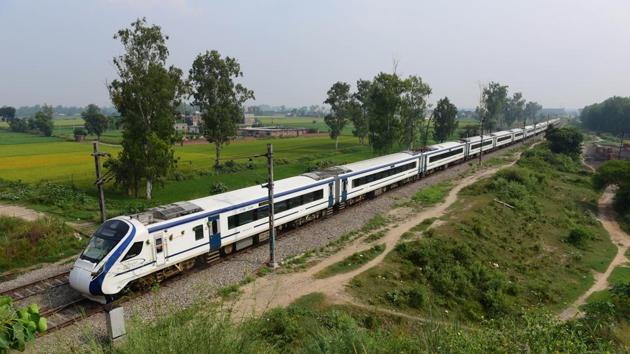
 സാധാരണ ബ്രോഡ്-ഗേജ് ട്രാക്കുകളിൽ ഉയർന്ന വേഗത പ്രാപ്തമാക്കുന്ന ഒരു സംവിധാനമാണ് ടിൽറ്റിംഗ് ട്രെയിനുകൾക്ക് ഉള്ളത്, ഇത് ട്രാക്കിലെ വളവിലൂടെ ചരിഞ്ഞുപോകുന്നതായി റെയിൽവേ ഉദ്യോഗസ്ഥർ പറഞ്ഞു.

വളവുകളിൽ ഉയർന്ന വേഗത നിലനിർത്തുക എന്ന ലക്ഷ്യത്തോടെ 2026 ഓടെ 'ടിൽറ്റിംഗ് ട്രെയിനുകൾ' അവതരിപ്പിക്കാൻ ഇന്ത്യൻ റെയിൽവേ പദ്ധതിയിടുന്നതായി റെയിൽവേ ഉദ്യോഗസ്ഥർ അറിയിച്ചു. ഈ സാങ്കേതികവിദ്യ ഉപയോഗിച്ച് സെമി-ഹൈ സ്പീഡ് വന്ദേ ഭാരത് ട്രെയിനുകളുടെ 100 പുതിയ യൂണിറ്റുകൾ നിർമ്മിക്കുന്നുണ്ടെന്ന് ഉദ്യോഗസ്ഥർ പറഞ്ഞു.


“2024 ഓടെ നൂറോളം വന്ദേ ഭാരത് ട്രെയിനുകൾ ഈ സാങ്കേതികവിദ്യ ഉപയോഗിച്ച് സജ്ജീകരിക്കും. ഞങ്ങൾ ഒരു സാങ്കേതിക പങ്കാളിയുമായി ചേർന്ന് അടുത്ത രണ്ടോ മൂന്നോ വർഷത്തിനുള്ളിൽ ഇത് നേടും,” സ്ലീപ്പർ കോച്ചുകളുള്ള ഈ ട്രെയിനുകൾ പ്രവർത്തനക്ഷമമാകുമെന്ന് റെയിൽവേ ഉദ്യോഗസ്ഥർ പറഞ്ഞു. 2024-ന്റെ ആദ്യ പാദത്തോടെ, ടിൽറ്റിംഗ് ട്രെയിനുകൾക്ക്, സാധാരണ ബ്രോഡ്-ഗേജ് ട്രാക്കുകളിൽ ഉയർന്ന വേഗത പ്രാപ്തമാക്കുന്ന ഒരു സംവിധാനം ഉണ്ടെന്ന് ഓഫീസർ വിശദീകരിച്ചു, അത് ട്രാക്കിലെ ഒരു വളവിന് വിധേയമാകുമ്പോൾ ചായുന്നു. ഒരു ബ്രോഡ്-ഗേജ് (റെയിലുകൾക്കിടയിലുള്ള ദൂരം) റെയിൽവേ ട്രാക്ക് റെയിൽവേ ഉപയോഗിക്കുന്ന സ്റ്റാൻഡേർഡ് 1,435-മില്ലീമീറ്ററിനേക്കാൾ വിശാലമാണ്. യുണൈറ്റഡ് കിംഗ്ഡം, ഇറ്റലി, പോർച്ചുഗൽ, സ്ലോവേനിയ, ഫിൻലാൻഡ്, റഷ്യ, ചെക്ക് റിപ്പബ്ലിക്, സ്വിറ്റ്സർലൻഡ്, ചൈന, ജർമ്മനി, റൊമാനിയ എന്നിവിടങ്ങളിൽ ഇത്തരം ലോക്കോമോട്ടീവുകൾ പ്രവർത്തിക്കുന്നു. വന്ദേ ഭാരതിന്റെ ഒരു പ്രധാന കയറ്റുമതിക്കാരൻ 2026-ഓടെ പ്രാഥമികമായി യൂറോപ്പ്, തെക്കേ അമേരിക്ക, കിഴക്കൻ ഏഷ്യ എന്നിവിടങ്ങളിലെ വിപണികളിലേക്ക് ട്രെയിനുകൾ എത്തിക്കുമെന്ന് രണ്ടാമത്തെ ഉദ്യോഗസ്ഥൻ പറഞ്ഞു.

Friday, November 18, 2022

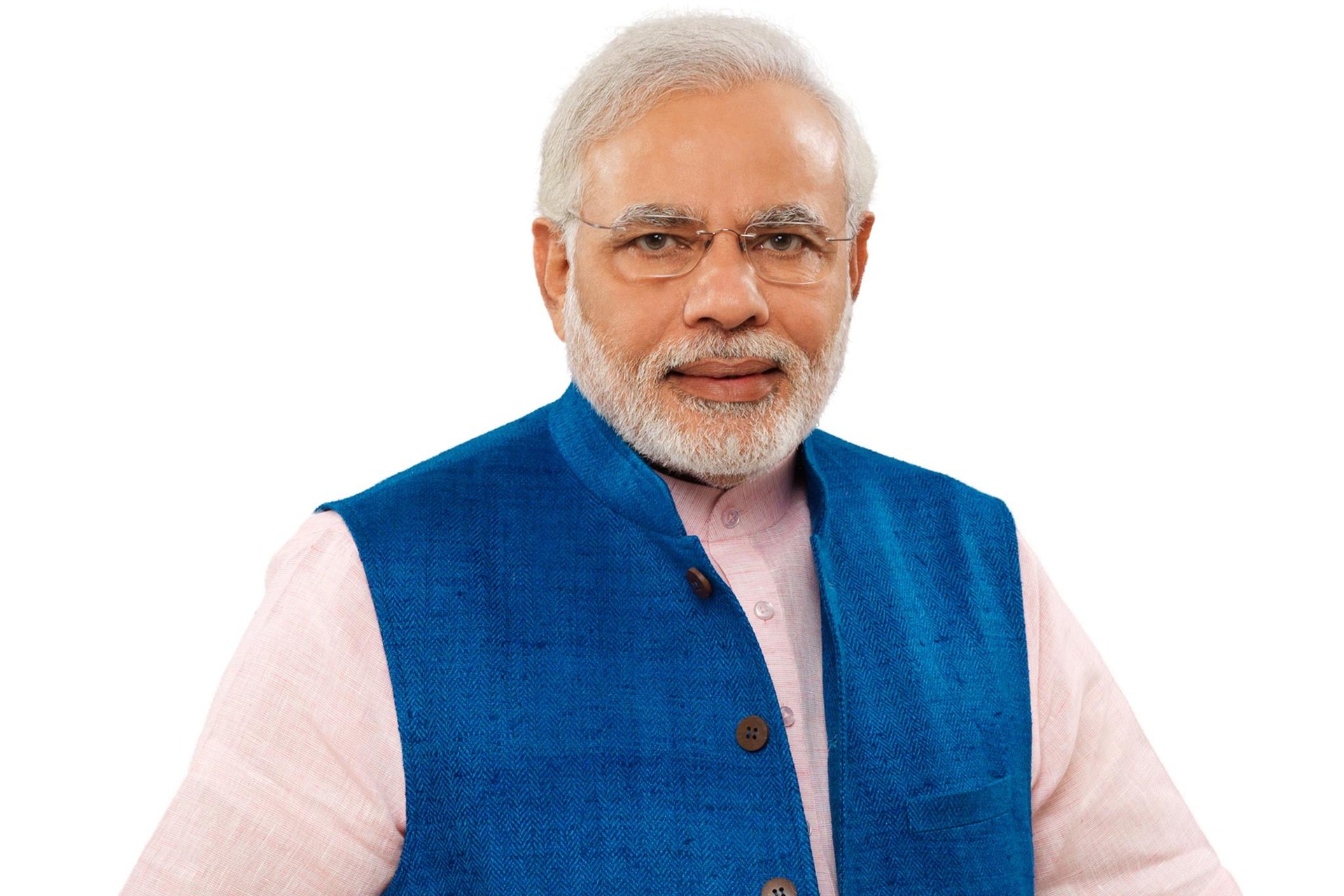
PM Modi To Launch Arunachal 's First Greenfield Airport Today. All You Need To Know

PM Modi will inaugurate Arunachal Pradesh 's first greenfield airport 'Donyi Polo Airport' at Holangi in Itanagar today. The AAI has developed the airport at an estimated cost of Rs 645 crore.


Prime Minister Narendra Modi will inaugurate Arunachal Pradesh 's first greenfield airport 'Donyi Polo Airport' at Holangi in Itanagar today. The Airports Authority of India has developed the Donyi Polo airport at an estimated cost of Rs 645 crore. He will also dedicate the 600 MW Kameng hydropower station in the West Kameng district to the nation at the function .
PM Modi will inaugurate the airport at 9. 30 AM today and leave for Varanasi and Gujarat from there , officials at the state 's civil aviation department informed. In 2019, PM Modi laid the foundation stone for the construction of Greenfield Airport at Hollongi and inaugurated retrofitted Tezu airport. According to an official statement, the terminal at Hollongi has been constructed at approximately a cost of Rs 955 crore with an area of 4100 sq m. It has a peak handling capacity of 200 passengers per hour .
There is no airport in Arunachal Pradesh, the country 's easternmost state. The closest facility is at Lilabari airport, 80 km away in Assam 's North Lakhimpur district. There are a few advanced landing grounds in the state , including in Pasighat and Tezu. Airports in five northeastern states, namely, Mizoram, Meghalaya, Sikkim, Arunachal Pradesh, and Nagaland have seen flights take off for the first time in 75 years.
The airport has been developed in an area of over 690 acres, at a cost of more than Rs 640 crore. With a 2, 300 m runway, the airport is suitable for all weather day operations. "The airport terminal is a modern building, which promotes energy efficiency, renewable energy , and the recycling of resources. Donyi Polo Airport will be the third operational airport for Arunachal Pradesh, taking the total airport count in the North- East region to 16. From 1947 to 2014, only nine airports were built in the North- East. In a short span of eight years since then , the Modi government has built seven airports in the North- East ", read the official statement.
Flights connecting Hollongi, which is around 15 km from Itanagar, with Mumbai and Kolkata will operate daily barring Wednesday. A weekly flight service connecting Hollongi with Kolkata on Wednesdays will begin on December 3, the chief strategy and revenue officer of IndiGo, Sanjay Kumar had said recently.
This is in line with the carrier 's vision to enhance connectivity in the Northeast and the flights are designed to cater to business and leisure travellers who are constantly on the lookout for new and affordable flying options to access destinations that are known for their tourist attractions , he said.
Besides IndiGo, Akasha and Flybig airlines have also expressed interest in starting flight services from Donyi Polo airport, AAI General Manager Dilip Kumar Sajnani said. Flybig and Indigo have contacted the Airport Authority of India( AAI) and have expressed interest to start flight services. The AAI is hopeful of getting them on board to start operation, he said recently.

Thursday, November 17, 2022

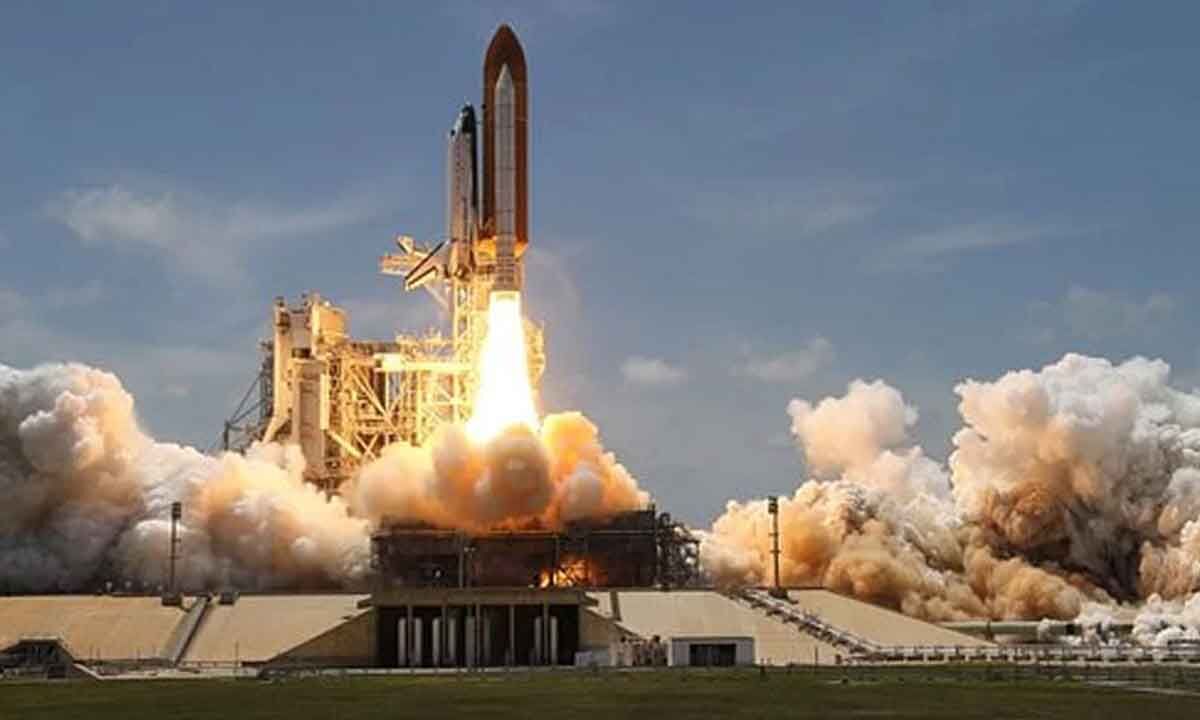
Indias first private rocket Vikram-S lifts off from ISRO space station

 Milestone in Indian space industry, the first private sector Vikram-S rocket was launched at 11:30 am on Friday from the Indian Space Research Organization (ISRO) space base in Sriharikota.


Skyroot Aerospaces Vikram-S boys have successfully completed their maiden mission in honor of Vikram Sarabhai the father of the country's space program. Sky root Aerospace will be Indias first private company in 2020 when the center opens its space sector to private industry.

https://twitter.com/ANI/status/1593484880872017920?ref_src=twsrc%5Etfw%7Ctwcamp%5Etweetembed%7Ctwterm%5E1593484880872017920%7Ctwgr%5Ee7a341154ff2d49bef72d796033ec3efd0cae4ba%7Ctwcon%5Es1_&ref_url=https%3A%2F%2Fwww.indiatvnews.com%2Fscience%2Findia-first-private-rocket-launch-live-updates-vikram-s-sarabhai-mission-prarambh-isro-latest-news-2022-11-18-824690

The three satellites aboard the six-metre-long rocket come from Chennai-based startup SpaceKidz Andhra Pradesh N-Space Tech and Armenia's BazoomQ Space Research Laboratory. The title of the quest is Prarambh (Start).

The objective of this mission is to launch the Vikram-S (VKS) single-stage solid suborbital rocket.

Pawan Goenka Chairman Indian National Space Launch and Licensing Center (INSPACE) from ISROs Mission Control Center smiled and said “I am happy to see the successful completion of Mission Prambham, The Beginning at Skyrut Aerospace. In Sriharikota. As expected by Skyroot Aerospace the rocket reached an altitude of 89.5 km and a distance of 121.2 km. It goes to an orbital launch vehicle. The rocket attached to the attack took off from the Indian Space Research Organisations Satish Dhawan Space Centers Sound Rocket Complex 115 km from Chennai after a prefix lift-off at 11:30 am. Resuming routine operations the mission was launched on Friday using sound-like rockets from the ISRO complex. Both the experiments were conducted at the Sitish Dhawan Space Center (SDSC) in Sriharikota. OMPLEX can provide full support for each vehicle assembly for any mission - transition to low Earth orbit geosynchronous transfer orbit and launch operations. PSLV GSLVs are launched from here.

Friday's mission is seen as an important milestone for Skyroot Aerospace with several technologies launched on the Vikram series orbital spacecraft and will help validate the vehicle including several subsystems and technologies that were previously launched and launched. will be tested. The post highlights the growth of the launch. Fun-Sat is a 25 kg payload developed by students from India USA Singapore and Indonesia for Chennai-based aerospace startup Spacekids. Vikram II and Vikram III series. Skyroot Aerospace took about two years to develop and was built using advanced technologies including carbon composite structures and 3D printed composites. Founded in June 2018 by Pawan Kumar Chandana and Naga Bharath Dhaka the company is a two-time national startup with 200 employees and is the largest private equity fund in India with a capital of ₹ 526 crore till date. Vikram-S was considered the beginning of a new rocket era in Indias private space domain. Goenka said that the seamless integration of various ISRO centers including SDSC SHAR ISTRAC and VSSC team has made Skyroot and IN-SPACE rocket ready to launch Skyroot VKS in a short period of time.

Recommended

Popular Post

Top Stories